The fastest way to make moving day harder is to assume the movers will handle every detail without any preparation on your end. If you are wondering how to prepare for local movers, the goal is simple: make your home easy to pack, easy to load, and easy to leave without last-minute problems. A little planning saves time, protects your belongings, and keeps your move on schedule.
Local moves usually feel more manageable than long-distance relocations, but that can lead people to underestimate them. You may only be going across town, yet you still have to sort, pack, label, coordinate access, and make sure the right items do not get packed by mistake. Good preparation gives your movers a clean path to work efficiently and helps you avoid paying for delays that could have been prevented.
How to Prepare for Local Movers Before Moving Week
Start with the items you do not want moved. Important documents, medications, jewelry, small valuables, chargers, keys, and daily essentials should be set aside early. These are the things that tend to disappear into the wrong box when people rush. Keep them in a clearly marked bag, bin, or suitcase that stays with you.
Next, reduce what you are taking. Local moves are often priced by time, so every extra piece of furniture, every overfilled closet, and every box of unwanted items can affect the total. Donate, throw away, or recycle what you no longer use. This is especially helpful if you are downsizing, helping a senior move, or clearing out an office with outdated equipment and files.
Packing should begin earlier than most people think. Non-essential rooms like guest bedrooms, basements, storage closets, and seasonal spaces can usually be boxed up well ahead of the move. Save everyday kitchen items, bathroom basics, and work essentials for the final stage. If you are packing yourself, use sturdy boxes and avoid mixing heavy and fragile items together. A box that is too heavy is harder to carry and more likely to break.
Labeling matters more than people expect. Write the destination room on every box and add a few words about the contents. “Kitchen – pots and pans” is better than just “Kitchen.” If something is fragile, mark it clearly on more than one side. Movers work faster when they do not have to guess where each box belongs.
Get Your Home Ready for the Crew
One of the most overlooked parts of how to prepare for local movers is the physical setup of the home. Movers can only work as efficiently as the space allows. Clear hallways, remove floor clutter, and move small decorative items out of the way. If you have children or pets, plan to keep them safely away from doors, stairwells, and walking paths during the move.
Take a look at parking and building access ahead of time. If your movers will need to park in a tight driveway, on a narrow street, or near an apartment entrance, figure out the best option in advance. Some buildings require elevator reservations or have time restrictions for moving trucks. If that applies to your move, confirm the rules before moving day instead of discovering them when the crew arrives.
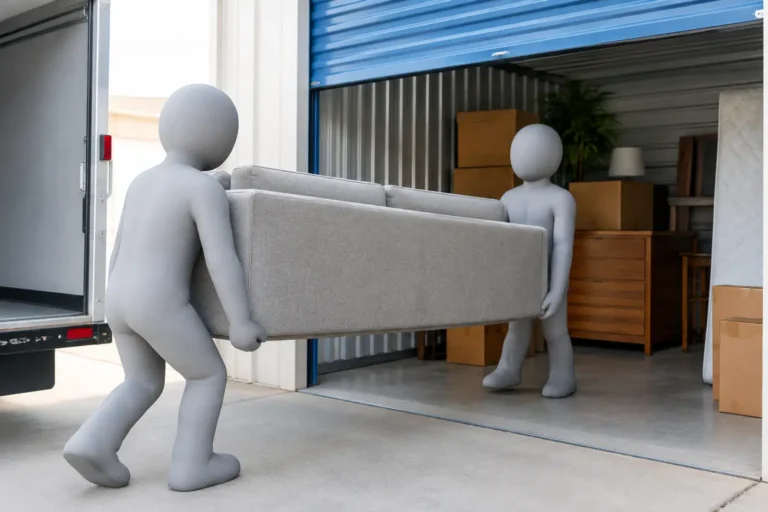
It also helps to identify any items that need special handling. Large sectionals, safes, pianos, antiques, glass tops, and oversized office furniture should be mentioned before the move, not as the truck is being loaded. Experienced movers can usually handle these items, but they need the right equipment and enough crew members. Clear communication keeps the day safer and more predictable.
If you are moving from a home with multiple floors, think about how that affects timing. Stairs, long carries, and narrow turns can all slow the process. That does not mean the move will be a problem. It just means accurate details help your estimate stay realistic and your move stay organized.
Packing Smart Makes the Move Faster
Packing is where many local moves either stay on track or fall apart. Boxes should be taped securely on the bottom, not just closed at the top. Fragile items need wrapping and cushioning. Dishes should be packed vertically when possible, and empty space in boxes should be filled so contents do not shift during transport.
Try not to use garbage bags for anything breakable or important. They tear easily, stack poorly, and make it harder to keep rooms organized at delivery. Uniform boxes are easier to carry and load, which helps protect your belongings and improves efficiency.
Furniture should also be prepared ahead of time when possible. Empty dressers if they are too heavy to move safely. Remove items from desks, file cabinets, and bookcases. If a bed frame or table needs to be disassembled, ask in advance whether your movers will handle that or if you should do it beforehand. The answer can depend on the item and the level of service you booked.
Appliances deserve extra attention. Refrigerators should be emptied, cleaned, and unplugged with enough time to defrost if needed. Washing machines and dryers should be disconnected unless you have arranged for that service. For office moves, computers, monitors, and electronics should be backed up, shut down, and packed carefully with cables labeled to make setup easier.
What to Do the Day Before
The day before your move should feel organized, not frantic. Finish packing everything except the items you truly need overnight. Put together a moving-day bag with phone chargers, medications, toiletries, snacks, water, paperwork, wallet, and a change of clothes. If you are moving with children, pack comfort items and keep them easy to reach.
Walk through each room and check closets, drawers, cabinets, and storage areas. These hidden spaces are where people leave behind chargers, paperwork, cleaning supplies, and loose household items. If you are using storage as part of your move, separate those items clearly so they do not end up mixed with what is going directly into your new space.
You should also confirm the details of the move. Make sure you know the arrival window, the addresses, and who the point of contact will be. A dependable moving company will communicate clearly, but it still helps to have your own notes ready so there is no confusion the next morning.
How to Prepare for Local Movers on Moving Day
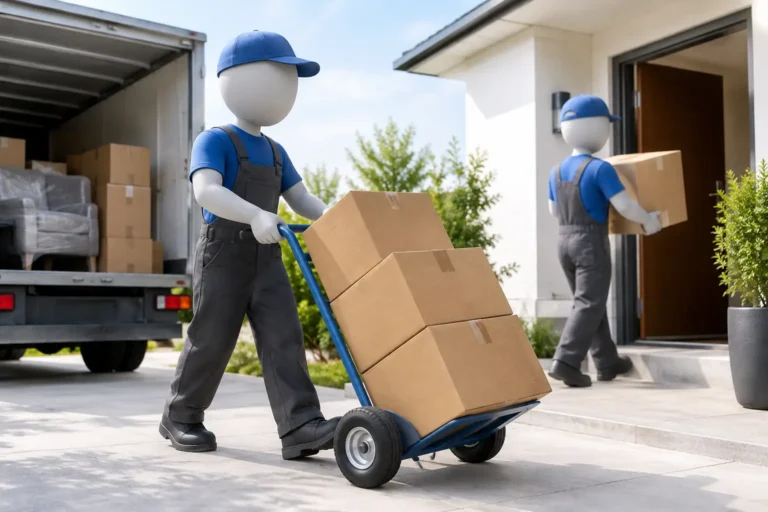
Be ready before the crew arrives. Boxes should be sealed, furniture should be emptied, and your personal essentials should already be set aside. When movers walk in, a quick walkthrough saves time. Point out what is going, what is staying, and anything fragile or unusually heavy.
Stay available for questions, but try not to manage every lift and every box. Professional movers work best when they have space to do the job. If you hover too closely, it can slow the process. The better approach is to be accessible, clear, and quick to answer when needed.
Before the truck leaves, do one final check of the property. Open cabinets, look behind doors, check the basement, attic, garage, and any outdoor storage. Once you arrive at the new place, direct boxes and furniture to the right rooms from the start. That small step makes unpacking much easier and reduces unnecessary shifting later.
If your new home has fresh paint, tight stairwells, or delicate flooring, mention it right away. Good movers appreciate knowing where extra care is needed. That is part of a smooth move – not just speed, but careful handling and clear communication from start to finish.
A Few Mistakes That Cost People Time
The most common problem is underestimating how long packing takes. The second is leaving loose items everywhere and expecting movers to sort them. Another frequent issue is forgetting to reserve elevators, clear driveways, or notify building management. These are small details until they delay the entire job.
People also make the mistake of choosing a mover based only on the lowest price without asking the right questions. Licensed and insured movers, transparent pricing, and a clear schedule matter. If you are hiring help for a local move in Connecticut, working with an experienced company such as Advantage Moving & Storage can make the process more predictable because the crew already understands how to move efficiently through local homes, apartments, and business spaces.
A well-prepared move does not require perfection. It requires a plan, honest communication, and a little effort before the truck arrives. When you set the job up properly, your movers can do what you hired them to do – protect your belongings, save you time, and make the day feel far less stressful than it could have been. That is the kind of preparation that pays off the moment the first box gets loaded.