A storage move can feel more complicated than a regular move. You are not just getting belongings from one address to another. You are packing them to sit safely for weeks, months, or longer, while still needing to find the things that matter later. Knowing how to move into storage starts with one decision: what truly needs to be stored, and what needs to stay with you.
A little planning protects your belongings, saves space in the unit, and prevents the frustrating experience of digging through sealed boxes to find one document, winter coat, or kitchen appliance. Whether you are between homes, renovating, downsizing, or clearing office space, use this plan to make storage simple and secure.
Start With a Realistic Storage Plan
Before reserving a unit or buying boxes, take inventory of what is going into storage. Walk through each room and separate items into three groups: keep with you, store, and donate, sell, or discard. Storage costs add up over time, so it rarely makes sense to pay for space filled with damaged furniture, expired household supplies, or items you have not used in years.
Be honest about what you will need during the storage period. Daily essentials, medications, tax records, valuable jewelry, family documents, and irreplaceable photos should generally stay with you. If you are storing items during a renovation, keep a separate box or tote of things you may need before the project is complete.
Measure large furniture before choosing a storage unit. A sofa, sectional, dining table, filing cabinets, or business equipment can take up more room than expected. Think vertically as well as horizontally. Units with enough ceiling height allow you to stack well-packed boxes and use shelving effectively, but only if the unit is loaded safely.
Choose a Unit That Fits Your Belongings
The cheapest unit is not always the best value. A unit that is too small can lead to crushed boxes, damaged furniture, and an aisle so narrow that you cannot retrieve anything. A unit that is too large leaves you paying for unused space.
Your decision should depend on how long you will store items, what you are storing, and whether you need regular access. Climate-controlled storage is often worth considering for wood furniture, electronics, artwork, documents, musical instruments, antiques, and items that could be affected by Connecticut’s seasonal humidity and temperature changes. Standard storage may be suitable for many durable household goods if they are packed properly and kept off the floor.
Ask about access hours, security features, insurance requirements, and whether the facility allows you to use your own lock. If you plan to visit the unit often, choose a layout that lets you create a clear center aisle. If you will not need anything until your next move, you can pack more densely while still leaving essential items near the entrance.
Pack for Storage, Not Just for Moving Day
Storage packing needs to hold up longer than a quick trip across town. Use sturdy, matching boxes when possible. Uniform box sizes stack more securely and make better use of the unit. Avoid overfilling large boxes with books, files, or heavy tools. Those items belong in smaller boxes that can be lifted without straining or breaking.
Clean and dry every item before it goes into storage. Even a small amount of moisture can create odors, mildew, or damage over time. Wipe down furniture, empty and defrost refrigerators, clean appliances, and allow everything to dry fully. Do not store food, scented candles, liquids that can leak, or anything that could attract pests.
For fragile belongings, use packing paper, bubble wrap, and properly sized boxes. Fill empty spaces so items do not shift. Plates should be packed on edge, glasses should be individually wrapped, and mirrors or framed artwork should be protected with corner guards and stored upright. Label boxes as fragile on more than one side.
Furniture deserves extra attention. Disassemble bed frames, tables, and shelving when practical, then keep screws, bolts, and small hardware in clearly labeled bags taped to the corresponding item. Wrap upholstered furniture with breathable moving pads or furniture covers. Plastic wrap can help secure drawers and doors during transport, but it should not be used as the only long-term covering for wood or upholstered pieces because trapped moisture can cause problems.
Label Every Box for Fast Access
A label that says “miscellaneous” is not useful when you need something six months from now. Label each box with the room, a short description of its contents, and a number. For example: “Kitchen – serving bowls and mixer attachments – Box 12.” Keep a simple inventory on your phone or in a notebook that matches each box number to its contents.
It also helps to mark priority boxes. Use “Access First” for items you may need during storage, such as seasonal clothing, business files, tools, or children’s keepsakes. These boxes should be loaded near the unit door, not buried behind a wall of furniture.
Take photos of valuable items and furniture before packing. Photos create a useful record of condition and can help you remember what is inside a covered or wrapped item. For businesses, inventory records are especially helpful when storing equipment, files, displays, or office furniture between locations.
How to Move Into Storage and Load the Unit Safely
The order you load the truck should support the order you load the storage unit. Heavy, large pieces should be positioned first so they can go toward the back and along the sides of the unit. Place mattresses upright in protective covers, stand sofas on end only when it is safe to do so, and use furniture pads to prevent wood, metal, and glass surfaces from rubbing together.
Keep boxes off the floor whenever possible. Pallets, shelving, or even a moisture barrier can provide useful separation from the concrete floor. Place heavy boxes on the bottom, lighter boxes on top, and do not stack beyond what the box strength allows. Leave a narrow but usable path through the center if you expect to retrieve items later.
A smart storage layout usually follows this order:
- Large furniture and appliances go toward the back and perimeter.
- Heavy boxes form stable lower layers.
- Fragile and lightweight boxes stay on top.
- Frequently needed items remain near the door.
- Mattresses, mirrors, and artwork are stored upright and protected.
Do not force items into gaps where they can become stuck or damaged. If a box will not stack safely, reorganize the layout rather than balancing it on furniture or piling it in an unstable corner.
Know What Not to Put in Storage
Storage facilities and moving companies may have their own prohibited-item rules, so confirm them before moving day. In general, do not store hazardous materials, gasoline, propane tanks, fireworks, ammunition, paint thinner, corrosive chemicals, or anything flammable. Perishable food, plants, and animals are also not suitable for a storage unit.
Valuables such as cash, passports, original legal documents, and sentimental items that cannot be replaced are usually better kept in a secure location with you. If you are unsure whether an item is safe or permitted to store, ask before it is loaded. It is much easier to make a plan in advance than to remove an item from a packed truck at the last minute.
Decide When Professional Help Makes Sense
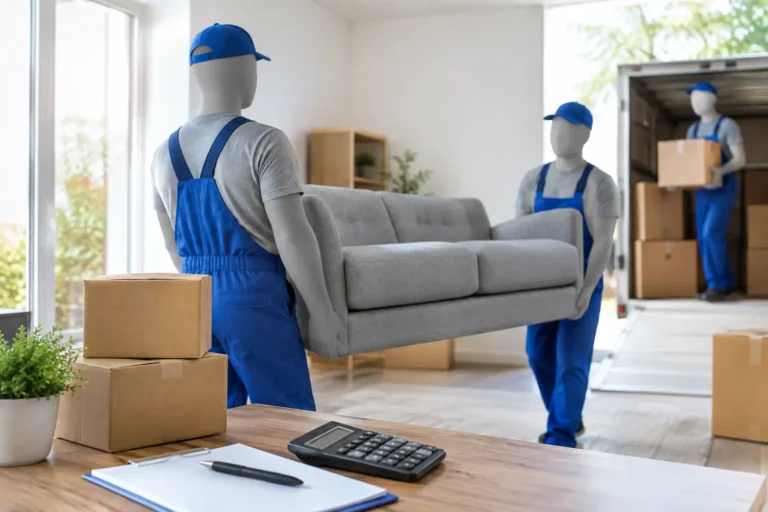
Moving into storage can be physically demanding, especially when stairs, tight hallways, oversized furniture, or a strict move-out date are involved. Professional movers can pack, load, transport, and place items strategically in the unit so your belongings are protected and the available space is used efficiently.
This is particularly helpful for seniors, families managing a home sale, businesses relocating equipment, and anyone storing heavy or delicate items such as pianos, antiques, or large appliances. A trained, insured moving crew also reduces the risk of injury and damage during loading and unloading.
Advantage Moving & Storage helps Connecticut customers handle storage moves with careful packing, professional loading, and clear communication from the estimate through delivery. With no-deposit scheduling and affordable hourly rates, you can arrange the help you need without adding unnecessary pressure to an already busy transition.
Before the unit door closes, take one final photo of the completed layout and confirm that your lock is secure. That small step gives you a visual record, makes future access easier, and lets you move forward knowing your belongings are packed with purpose rather than simply put out of sight.