A box marked only “kitchen” can still create problems when it is filled with glassware, pantry items, and the coffee maker you need the next morning. Smart moving box labeling gives every carton a clear destination, a handling instruction, and a place in your packing plan. It is one of the simplest ways to make moving day faster, safer, and far less stressful.
The goal is not to create a complicated inventory system that takes hours to maintain. It is to give you, your family, and your moving crew enough information to load carefully and place each box where it belongs the first time. A few minutes spent labeling while you pack can prevent a long afternoon of opening boxes in the wrong rooms.
Why Moving Box Labeling Makes a Difference
Most moves get delayed in small, avoidable ways. Boxes arrive in the new home, but no one knows which bedroom they belong in. Fragile items are packed safely but are not clearly marked. Essential items disappear into a stack of identical cartons. The result is extra lifting, extra questions, and more chances for something to be misplaced or damaged.
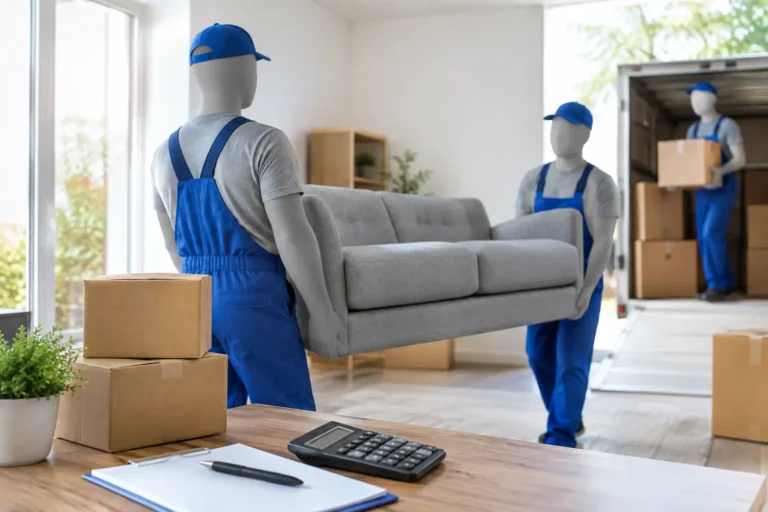
Clear labels help create order at both ends of the move. At pickup, they tell movers which boxes need special care and which ones can be loaded together. At delivery, they let the crew place boxes directly in the right rooms rather than leaving everything in a central area for you to sort later.
This matters even more for Connecticut homes with tight stairways, split-level layouts, finished basements, or limited parking. When a crew knows exactly where each box goes, they can move efficiently without carrying heavy cartons up and down stairs twice.
Build a Moving Box Labeling System You Can Use
The best system is the one you can follow consistently from the first box to the last. You do not need expensive supplies. Wide permanent markers, sturdy packing tape, colored labels or colored tape, and a notebook or phone list are enough for most households.
Start by assigning every room a simple, specific name. Use the names that make sense at the new address, not just the old one. “Primary bedroom,” “upstairs hall bath,” “office,” and “basement storage” are more useful than vague terms such as “bedroom” or “miscellaneous.” If a room has a similar name to another room, make the difference obvious.
Write the label on at least two sides of every box, plus the top when possible. Labels on one side disappear as soon as boxes are stacked or loaded against a wall. Two side labels make it easier for movers to identify the destination from nearly any angle.
A dependable label includes four pieces of information:
- The destination room at the new home
- A short description of the contents
- A handling note when needed, such as “Fragile,” “This Side Up,” or “Heavy”
- A box number, such as Kitchen 3 of 12
For example, write: KITCHEN – GLASSES AND MUGS – FRAGILE – BOX 3 OF 12. Keep the room name large and easy to spot. The contents can be smaller, but they should still be specific enough to help you find what you need.
Numbering boxes is especially helpful for larger moves, storage loading, and business relocations. You do not need to list every spoon or picture frame. A basic note in your phone that says “Kitchen 3: mugs, wine glasses, French press” is enough to confirm what is inside without opening the carton.
Use Color Carefully, Not as the Only Identifier
Color coding can speed up box placement. Give each destination room a different color and place matching tape or labels on the box. At the new home, a matching piece of tape on each doorway can help movers see where boxes belong immediately.
However, color should support your written labels, not replace them. Lighting changes, labels can tear, and not everyone sees colors the same way. A large printed room name remains the clearest instruction. If you use color, choose colors that are noticeably different and write the room name directly beside the tape.
For a small apartment move, color coding may be more effort than it is worth. Clear written labels can do the job well. For a multi-bedroom home, an office move, or a move involving several storage areas, color can reduce confusion significantly.
Mark Boxes That Need Special Attention
Some boxes need more than a room name. They need instructions that protect the contents and keep the move on schedule.
Use “Fragile” for dishes, mirrors, lamps, electronics, framed artwork, and delicate décor. Add “This Side Up” only when the direction truly matters, such as for certain lamps, dish packs, or boxed appliances. Do not rely on arrows alone. Pair them with words, because a box may be rotated while being carried or placed on a dolly.
Mark dense cartons “Heavy” when they contain books, tools, files, canned goods, or weights. This is not just a courtesy. It helps the moving crew plan safer lifting and prevents a heavy box from being stacked on a lighter carton.
For boxes you need immediately, use a prominent note such as “Open First” or “First Night.” These might include bedding, medications, toiletries, chargers, basic cookware, pet supplies, and children’s comfort items. A true essentials box is often better transported in your own vehicle, particularly if it contains personal documents, prescription medication, jewelry, or other high-value belongings.
Avoid Labels That Create More Work
“Miscellaneous” is the label most likely to frustrate you later. It may be accurate, but it tells you nothing about where the box goes or why you might need it. If a box holds items from several areas, choose the room where the contents will live at the new home and add a short description, such as “Office – desk supplies and cables.”
Avoid writing only on packing tape. Ink can smear, tape can wrinkle, and labels become hard to read once the box is handled. Write directly on the carton with a marker or use a large adhesive label secured with clear tape.
Do not overfill your labels with tiny handwriting. The crew needs to recognize the room name while moving quickly and safely. Large block letters work best. You also do not need to mark every box as fragile. Overusing the word makes it less useful and can slow down loading without adding protection.
Finally, make sure the label matches the final destination, not the room where you packed it. A guest-room box at your current home may belong in a child’s bedroom, an office, or storage at the new address.
Label Furniture and Loose Items Too
Boxes are not the only items that benefit from clear identification. If furniture will be disassembled, place hardware in a sealed, labeled bag and tape it securely to the furniture piece when appropriate. Write the item name and the destination room on the bag, such as “Dining table hardware – dining room.”
For furniture with multiple parts, use small removable labels on pieces that may be separated during transport. This is particularly useful for bed frames, shelving units, desks, and entertainment centers. Take a few photos before disassembly so you have a quick reference when it is time to set up again.
Loose items like floor lamps, large wall art, and folded rugs should also have a destination label. They can easily end up in the wrong room because they are not packed inside a carton.
When Professional Packing Is the Better Choice
A careful labeling system works well for many DIY packers, but some moves call for professional help. If you are managing a tight timeline, moving a senior family member, packing a large home, or relocating an office, professional packing can remove a major source of stress. Trained packers use appropriate materials, identify delicate items, and keep cartons organized for loading and delivery.
Advantage Moving & Storage can help Connecticut customers with packing, local moving, storage loading, and careful delivery, so you are not left trying to coordinate every detail alone. Whether you pack yourself or use a professional crew, share your room plan before move day so everyone understands where items belong.
Before the truck arrives, walk through your home once more and look at your labels from a distance. If you can quickly read the destination room, your movers can too. That small final check can turn a crowded delivery day into a calm, organized start in your new space.