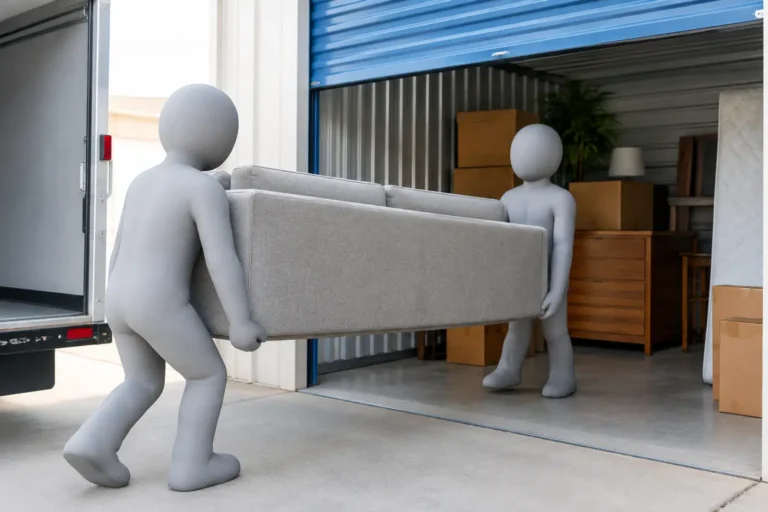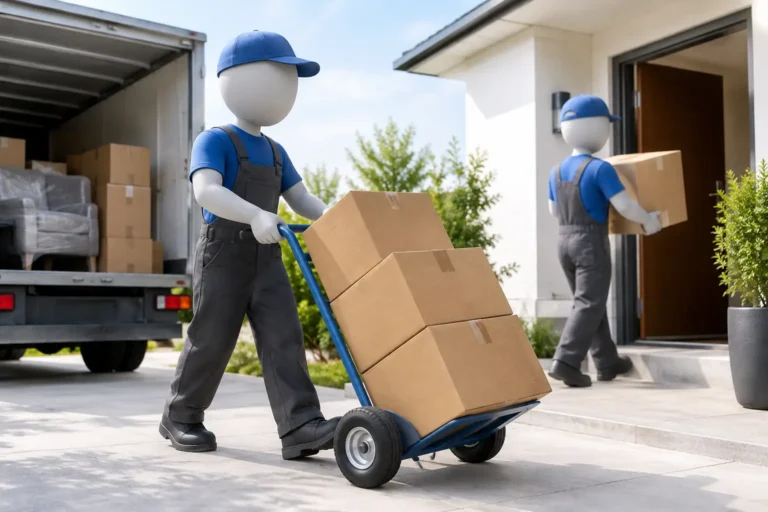
If you are staring at a house full of boxes you have not taped yet, the question usually comes fast: do movers pack and unpack, or are you expected to handle that part yourself? The short answer is yes, many moving companies offer packing and unpacking services, but the details matter. Some movers provide full-service packing from kitchen glasses to closet clothes, while others only load and transport what you have already boxed.
That difference affects cost, timing, and how stressful your move feels on moving day. If you want fewer surprises, it helps to know exactly what movers will pack, what they may leave to you, and when paying for unpacking is actually worth it.
Do movers pack and unpack as part of a move?
Sometimes, but not always.
Packing and unpacking are often optional services added to a standard move. A basic move usually covers labor to load the truck, transport your belongings, and unload them at the destination. Packing is often priced separately because it takes extra time, materials, and trained handling. Unpacking may also be offered as an add-on, especially for customers who want to get settled quickly.
This is where people get tripped up. They assume hiring movers means every part of the move is included. In reality, companies structure service levels differently. Some are labor-only. Some are full-service. Some let you choose a mix, like having the crew pack only fragile items or only the kitchen.
A dependable mover should explain those options clearly before the job is booked. If the estimate is vague, ask direct questions. It is better to confirm now than find out on moving morning that nobody is boxing up your dishes.
What professional movers usually pack
Most professional crews can pack nearly everything in a home or office if that service is requested in advance. That includes dishes, glassware, books, linens, decor, electronics, clothing, and general household items. Furniture is typically wrapped and protected as part of moving prep even if full packing is not purchased.
Fragile-item packing is one of the biggest reasons customers hire pros. Kitchens, mirrors, framed art, lamps, and breakables take time and experience. A trained crew knows how to cushion those items properly and load them in a way that reduces shifting during transport.
Many customers choose partial packing instead of full packing. That can be a smart middle ground if you want to save money but still want help with the hardest rooms. Kitchens, home offices, garages, and storage areas are usually the most time-consuming spaces to pack well.
For business moves, movers may also pack files, office equipment, monitors, and shared workspace items. The goal is not just speed. It is keeping things organized enough that setup on the other end does not turn into a second headache.
What movers usually will not pack
Even when a company offers full-service packing, there are limits.
Hazardous materials are commonly excluded. That includes paint, propane tanks, gasoline, certain cleaning chemicals, fireworks, and anything flammable or explosive. Perishable food is another gray area. Some movers will transport unopened pantry goods locally, but refrigerated and frozen items are often your responsibility.
Personal essentials should usually stay with you. Medications, passports, financial documents, jewelry, laptops with sensitive data, and sentimental keepsakes are better carried separately. Professional movers are careful, but some items are simply too important to put on the truck.
Plants and specialty items can also depend on company policy. If you have a piano, antique furniture, or high-value artwork, ask whether special packing or handling is required. A reputable mover will tell you where standard service ends and specialty service begins.
What unpacking service really includes
Unpacking sounds simple, but it can mean different things depending on the mover.
At its most basic, unpacking means the crew takes items out of boxes and places them on available surfaces or in designated rooms. Some companies will also remove packing paper, boxes, and other debris so you are not left with a mountain of materials afterward. That cleanup alone can be a major relief.
What unpacking usually does not include is detailed home organizing. Movers can place dishes in the kitchen, but they may not arrange every cabinet exactly how you want it. They can set books on shelves, but they are not acting as interior organizers. If your goal is to be fully settled in one day, talk through expectations ahead of time.
For some households, unpacking is worth every dollar. Families with young kids, seniors, busy professionals, and anyone working on a tight timeline often benefit most. If your move is happening between workdays or school schedules, professional unpacking can cut days off the disruption.
When paying for packing and unpacking makes sense
It depends on your budget, schedule, and tolerance for chaos.
If you have plenty of time, a small apartment, and a tight budget, self-packing may be perfectly reasonable. Many people pack non-breakables themselves and hire movers only for loading and transportation. That approach keeps costs lower while still giving you professional help with the heavy lifting.
On the other hand, full-service packing makes sense when time is short or the move is complicated. Large homes, senior moves, office relocations, and homes with delicate or valuable items are strong candidates for professional packing. The same is true if you are relocating while juggling work, childcare, or a home closing date.
Unpacking tends to be most valuable when speed matters. If you need your household functional right away, it can save a lot of stress. If you do not mind opening boxes over a week or two, you may prefer to skip that service and settle in gradually.
There is also a damage-prevention angle. Professionally packed boxes are often more consistent, better cushioned, and easier to stack safely in the truck. That does not mean self-packed boxes are automatically a problem, but poor packing increases the risk of breakage.
How moving companies price packing and unpacking
Packing and unpacking costs usually depend on labor time, the number of movers needed, and packing materials. The larger and more cluttered the space, the higher the labor time is likely to be. Glassware, artwork, and electronics also take longer than towels or clothing.
Some companies estimate packing based on the size of the home. Others price by hourly labor plus materials. Neither model is wrong, but transparency matters. You should know whether boxes, tape, paper, and protective wrap are included or listed separately.
Ask whether unpacking includes debris removal too. That service can be a real value if you do not want to spend your first night surrounded by flattened cartons and packing paper.
Low pricing can be tempting, but this is one area where unusually cheap quotes deserve a second look. Packing done too fast or by an inexperienced crew can create more problems than it solves. Licensed and insured movers with trained teams tend to be the safer choice.
Questions to ask before you book
If you are comparing movers, ask whether packing and unpacking are available, whether they are partial or full-service options, and how they are priced. Ask what materials are used, what items cannot be packed, and whether boxes will be labeled by room.
You should also ask how claims are handled if an item packed by the mover is damaged. That answer tells you a lot about the company’s professionalism.
If you want a smoother move, clarity is everything. A good mover will not rush past these questions. They will walk you through the plan, explain the costs, and set expectations so the job runs the way you need it to.
For customers in Connecticut, this is where working with an experienced local company can make a difference. Advantage Moving & Storage, for example, focuses on clear communication, careful handling, and flexible service options so customers can choose the level of help that actually fits their move.
How to decide what level of help you need
The best choice is rarely all or nothing.
If your budget is the top priority, pack yourself and hire movers for loading, transport, and unloading. If you want help with the hardest parts, choose partial packing for fragile rooms or specialty items. If your main goal is to reduce stress and save time, full packing and unpacking may be the right investment.
A move gets easier when the service matches the reality of your schedule, your home, and your energy level. The right mover should not push one package for everyone. They should help you build a plan that feels practical, affordable, and under control.
When you ask, do movers pack and unpack, the real answer is this: many do, but the best results come from knowing exactly what you want before the truck arrives. A little clarity upfront can save hours of frustration later – and make your next move feel a lot more manageable.