A storage unit can protect your belongings between homes, during a renovation, or while your business reorganizes. But knowing how to load storage units correctly is what keeps furniture, boxes, and fragile items from becoming damaged, difficult to reach, or unsafe to remove later. A little planning before the first box goes inside can save hours of frustration when it is time to unload.
Start With the Right Unit and a Clear Plan
Loading starts before moving day. Choose a unit with enough room for your belongings plus a narrow aisle to the back. Filling every available inch may sound efficient, but a completely packed unit turns a simple retrieval into a full unload. If you expect to access seasonal items, records, tools, or business inventory, leave room to walk inside.
Measure large pieces before reserving a unit. Sofas, mattresses, bookcases, desks, and appliances often take up more floor space than people expect. A unit may hold the volume of your belongings on paper but still be hard to load if oversized pieces cannot stand safely along the walls.
Create a simple loading plan based on what needs to be accessed first. Items you will not need for months can go toward the back. Keep items you may need soon, such as important files, winter coats, baby gear, or small business supplies, near the entrance. Label boxes on at least two sides so you can identify them once they are stacked.
For families moving between Connecticut homes, it also helps to separate essentials from storage. Keep medications, paperwork, chargers, daily clothing, and valuables with you rather than placing them in a unit.
Prepare Furniture and Boxes Before They Enter
A storage unit is only as organized and secure as the items that go into it. Take time to prepare each item before loading. Disassemble bed frames, tables, shelving units, and other furniture when possible. Place hardware in labeled bags and tape those bags directly to the corresponding furniture piece or store them in one clearly marked box.
Use moving blankets, furniture pads, or clean blankets to cover wood, glass, leather, and upholstered items. Corners and legs are especially vulnerable to chips and scrapes. Mattresses should be placed in protective covers, and mirrors, artwork, and glass tabletops should be packed upright in sturdy picture boxes or protected with moving pads.
Boxes should be strong, dry, and fully sealed. Avoid using damaged cartons or overfilling boxes until their bottoms bow. Heavy belongings, including books, dishes, canned goods, and tools, belong in smaller boxes. Lighter items such as linens, pillows, and lampshades can go in larger boxes.
Before loading, make sure every box is labeled with its contents and destination room. Numbering boxes can be useful as well. For example, “Kitchen 3 of 8” tells you immediately whether an important box is missing.
How to Load Storage Units From Back to Front
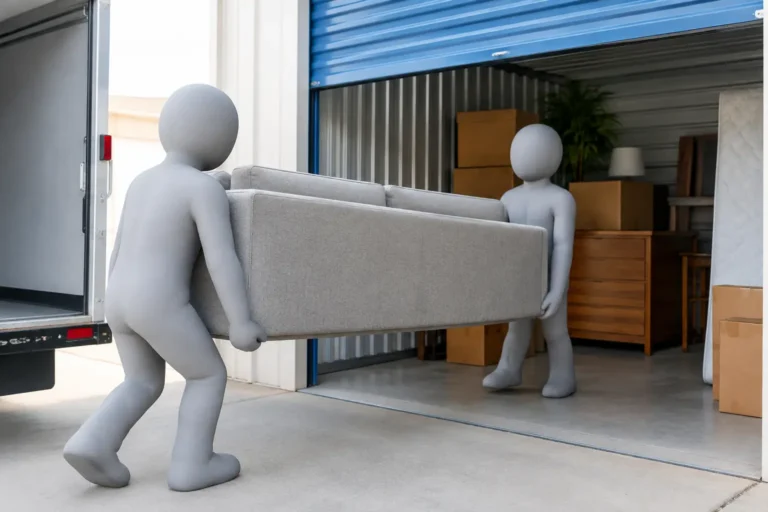
The safest approach is to load the unit from the back wall toward the door. Begin with your largest and heaviest items, using the walls as support where appropriate. Place appliances, sturdy bookcases, dressers, and boxed furniture around the perimeter to create a solid base.
Keep weight low. Heavy boxes should stay on the floor, while lighter boxes can be stacked on top. Do not build tall, narrow towers that can lean or collapse when a box is removed. A stable stack is level, compact, and no higher than you can safely reach without climbing.
Use furniture pads or cardboard sheets between pieces to prevent rubbing and pressure damage. Wood furniture should not sit directly against damp concrete floors or exterior walls. Pallets, plastic sheeting, or a layer of flattened cardboard can add separation from the floor, especially for long-term storage.
As you work toward the front, place boxes in rows and keep the heaviest rows closest to the floor. Fill gaps with lighter, durable items rather than forcing fragile boxes into open spaces. Small loose belongings can shift during loading and make the unit harder to manage, so pack them into labeled totes or boxes first.
Leave a center aisle if you need regular access. In a smaller unit, even a 2-foot path can make a meaningful difference. You should be able to reach the back without moving a tower of boxes or sliding heavy furniture across the floor.
Use Vertical Space Carefully
Most storage units have more height than people use. Vertical space can help you fit more belongings, but it should never come at the cost of stability. Stack same-size boxes together whenever possible. Their flat, matching surfaces are far more secure than mixed stacks of odd-shaped cartons.
Freestanding shelves can be useful for bins, files, and lighter household goods. They also prevent frequent-access items from being buried. Do not place heavy boxes on flimsy shelving, and never stack items so high that they could fall when the unit door is opened.
Protect Fragile and Sensitive Belongings
Some household items require more than careful stacking. Electronics, photographs, documents, musical instruments, antiques, and wooden furniture can be affected by moisture and temperature changes. For these belongings, climate-controlled storage may be worth the added cost. It depends on how long you plan to store them and how sensitive the items are.
Avoid storing food, candles, aerosols, hazardous chemicals, propane tanks, gasoline, or anything flammable. These items can attract pests, create odors, or violate storage facility rules. Check the facility’s restrictions before loading specialty equipment, commercial materials, or large appliances.
Clean and dry everything before it goes into storage. Even a slightly damp rug, towel, or appliance can create mildew and unpleasant odors in an enclosed space. Refrigerators and freezers should be emptied, cleaned, dried, and stored with doors slightly open if allowed by the facility.
For extra protection, use plastic bins for items that could be damaged by humidity or dust. Plastic is not the best choice for every item, however. Clothing and linens need to be clean and dry, and delicate fabrics may benefit from breathable storage materials rather than being compressed for extended periods.
Keep Access, Safety, and Security in Mind
A well-loaded unit should be easy to use, not just easy to close. Keep a small clear area near the door for a step stool, moving pads, or a quick inspection of labels. Place a written inventory inside a clearly marked box near the front and keep a copy at home. Photos of the unit after loading can also help you remember where major items are placed.
Do not block your path with loose items, and do not climb on stacks of boxes or furniture. If an item is too heavy to lift safely, use a dolly, lifting straps, or professional help. Rushing is one of the most common causes of damaged belongings and moving injuries.
Security matters, too. Use a quality lock approved by the facility, and avoid putting labels on the outside of boxes that advertise high-value items. Instead of writing “jewelry” or “expensive electronics,” use a coded label that makes sense to you. High-value items, irreplaceable documents, and family heirlooms are often safer kept outside a standard storage unit when possible.
When Professional Loading Is the Better Choice
Loading a unit yourself can work well for a small amount of boxed belongings and lightweight furniture. It becomes more complicated when you have large furniture, a piano, fragile antiques, commercial equipment, or a tight move-out deadline. Professional movers bring the labor, equipment, padding, and loading experience needed to use the unit efficiently without taking unnecessary risks.
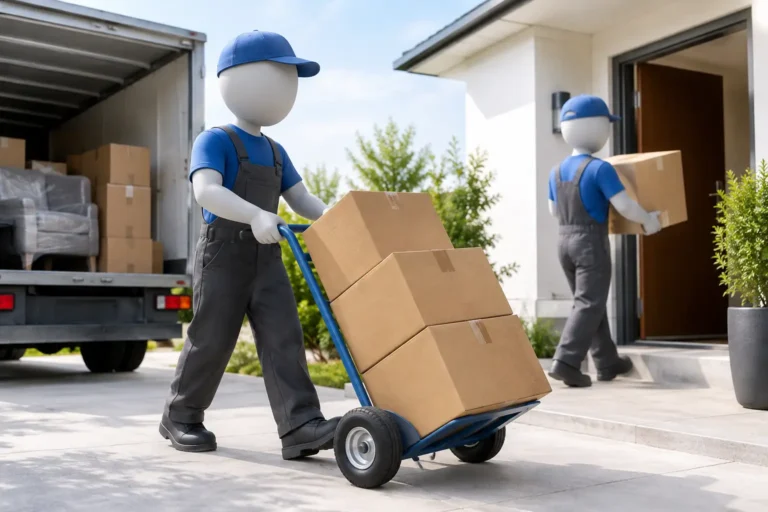
Advantage Moving & Storage can load and unload storage units as part of a local move, helping Connecticut customers protect their belongings while keeping the process on schedule. A trained, uniformed crew can also help determine whether your selected unit has enough space and how to arrange it for safe access.
Before you lock the door, walk the aisle one final time. Check that nothing is leaning, fragile items are protected, and the belongings you may need first are within reach. That final five-minute check makes storage feel less like a packed-away problem and more like a plan you can rely on.