Moving day can run right on schedule until someone finds an unopened propane cylinder in the garage, a bottle of bleach under the sink, or a box marked “fireworks” in the basement. These are common items movers cannot transport, and knowing about them early protects your crew, your belongings, and your moving timeline.
Professional movers are trained to handle furniture, boxes, appliances, and many specialty items with care. But licensed moving companies must also follow safety rules that limit what can travel on a moving truck. A little planning before packing day prevents last-minute surprises and gives you time to decide what to use, dispose of, donate, or move yourself.
Why Some Belongings Cannot Go on a Moving Truck
The main concern is safety. A moving truck can become hot, cold, or tightly packed during transport. Certain products can leak, ignite, release fumes, corrode other belongings, or create a health risk for the crew. Even a small container can cause a serious problem if it breaks inside a truck.
Liability and insurance also matter. Movers generally cannot take responsibility for valuables that cannot be securely protected in the truck, including cash, legal documents, irreplaceable photos, and items with unusual value. Some restrictions are set by federal or state transportation rules, while others are part of a moving company’s insurance and operating policies.
The exact policy can vary by mover and by the type of relocation. A local Connecticut move may not involve the same rules as a long-distance shipment, but hazardous materials remain a concern regardless of how far you are traveling. The safest approach is to ask about questionable items during your estimate, not when the crew has arrived.
Items Movers Cannot Transport
Most restricted belongings fall into a few clear categories. Review your garage, shed, utility room, kitchen, bathroom, and home office carefully, since these are the places prohibited items are most often overlooked.
Flammable and combustible products
Fuel, gas, and products that can catch fire do not belong in a moving truck. This includes gasoline, kerosene, lighter fluid, propane tanks, charcoal, fire starters, fireworks, ammunition, and many aerosol cans. Paint thinner, turpentine, solvents, and certain adhesives also fall into this category.
Do not assume that a nearly empty container is safe. Residue and vapors can still be flammable. Use up these products before the move when practical, or bring them to an approved household hazardous-waste disposal location. Propane cylinders should be handled according to local disposal or exchange requirements rather than packed with household goods.
Chemicals, cleaners, and corrosive materials
Bleach, ammonia, drain cleaner, oven cleaner, pool chemicals, pesticides, fertilizers, acids, and similar products can leak or react with other materials. When mixed accidentally, some household cleaners create dangerous fumes. These products can also damage furniture, boxes, flooring, and personal belongings if a lid loosens in transit.
Avoid combining cleaners or pouring them into unmarked containers to save space. Keep original labels intact while you arrange proper disposal. If you are moving locally and need products immediately at the new home, ask your mover about its policy first. Never place chemicals in a box without disclosure.
Batteries and devices with damaged batteries
Loose batteries, lithium-ion batteries, power banks, and devices with swollen or damaged batteries require extra attention. Battery terminals can come into contact with metal objects and create a fire risk. E-bikes, scooters, hoverboards, and some power tools may have large lithium batteries that a mover cannot transport under company policy.
Keep phones, laptops, tablets, watches, chargers, and spare batteries with you when possible. For larger equipment, check the manufacturer’s instructions and discuss the item before move day. A crew can only plan for an item properly when it knows what it is.
Perishable food and living items
Refrigerated, frozen, and open food can spoil quickly and attract pests. Movers typically will not transport perishable groceries, open pantry items, or food that could leak. Plan meals around what is already in your refrigerator and freezer during the final week before your move.
Plants are another common question. A local move may allow you to transport hardy houseplants in your personal vehicle, but moving trucks are not a good environment for them. Extreme temperatures, limited airflow, and shifting during travel can damage or kill plants. Pets must always travel with you or through an appropriate pet transportation arrangement, never in a moving truck.
Valuables, documents, and sentimental items
Movers can carefully pack and transport many fragile belongings, but certain items should stay under your personal control. Carry cash, jewelry, prescription medications, passports, birth certificates, Social Security cards, legal records, financial paperwork, family photos, heirlooms, and small collectibles yourself.
This is not about questioning the integrity of your moving crew. It is about keeping items that are difficult or impossible to replace within reach throughout the move. Put these essentials in a clearly identified personal bag or locking container and keep it with you from your old home to your new one.
Weapons, ammunition, and regulated items
Firearms, ammunition, explosives, and related equipment require special handling and may be prohibited by a mover’s policy. Requirements depend on the item and applicable laws, so do not pack them into a box and hope for the best. Speak directly with the moving company before moving day and follow all relevant storage, transport, and legal requirements.
The same goes for medical oxygen, laboratory materials, and other regulated supplies. If an item has a hazard warning label, pressurized container, fuel source, or special storage instructions, mention it during planning.
How to Prepare Restricted Items Before Your Move
Start sorting at least two weeks before your scheduled move. Waiting until the night before adds pressure and can turn safe disposal into a rushed decision. Create one area for products you will use before moving day and another for items that need disposal.
For household chemicals, your town or county may offer hazardous-waste collection days or permanent disposal services. Never put materials down a drain, burn them, or place them in regular trash unless local guidance specifically allows it. Paint may be recyclable, reusable, or disposable depending on the type and condition. Ask your local program what it accepts.
Drain fuel from lawn equipment, grills, and power tools where required, and clean out lawn mowers or similar equipment before the crew arrives. Defrost refrigerators and freezers at least 24 hours in advance, then wipe them dry. This protects your appliances and prevents water from reaching boxes or furniture during loading.
For food, give unopened, shelf-stable items to neighbors or a local food pantry if they are still within date and accepted. Pack a small cooler for the road with only the food you will eat during the trip. This reduces waste and leaves less for you to manage after a long day of unpacking.
Tell Your Mover About Specialty Belongings Early
A good moving plan is built on clear information. Tell your moving coordinator about safes, pianos, oversized furniture, treadmills, delicate antiques, large aquariums, or heavy commercial equipment before your quote is finalized. These items are not necessarily prohibited, but they may require additional crew members, special equipment, disassembly, or a different loading plan.
The same principle applies to storage. If your belongings are going into short-term storage, restricted products still should not be packed into the load. Heat, time, and enclosed space can make hazardous materials even more problematic.
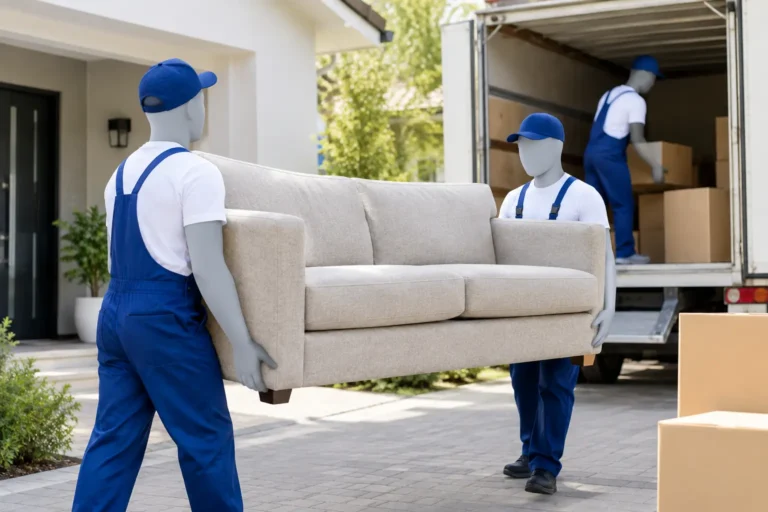
At Advantage Moving & Storage, trained, uniformed crews help Connecticut customers prepare for residential and commercial moves with clear communication from the estimate through delivery. Sharing the details upfront allows the team to provide the right equipment, protect your property, and avoid unnecessary delays on moving day.
A Simple Moving-Day Check
Before the truck arrives, take one final walk through the garage, basement, shed, laundry area, kitchen, and bathrooms. Look for cleaning supplies, fuels, batteries, medications, food, and personal documents. These rooms hold most of the items people forget because they are packed separately from everyday furniture.
If you are unsure whether something can go on the truck, set it aside and ask. It is far easier to confirm an item in advance than to repack it while a crew is ready to load. A few minutes of preparation keeps the day safer, protects your schedule, and lets you focus on getting comfortable in your new space.