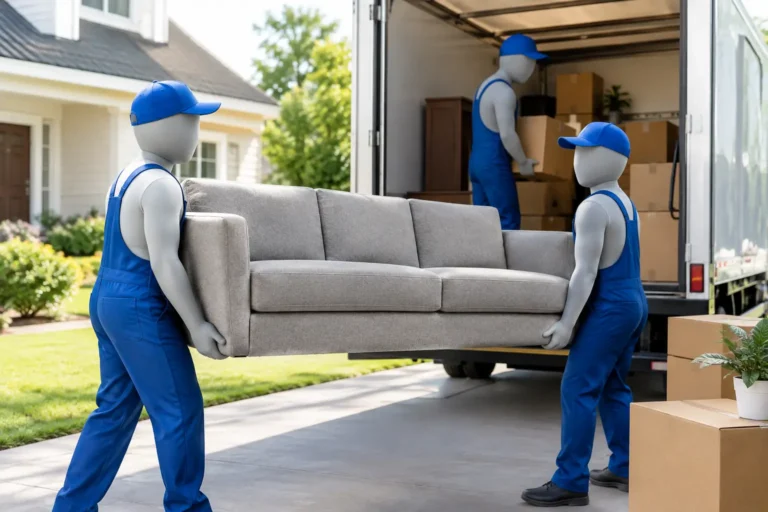
A move from Hartford to New Haven, Fairfield County to Litchfield County, or simply across town can look easy on a map. On moving day, it still involves stairs, tight driveways, heavy furniture, timing, and belongings you cannot afford to see damaged. Choosing the right movers for in state relocation turns that long to-do list into a managed plan with clear expectations.
An in-state move may be shorter than an interstate relocation, but it deserves the same professional care. The right crew protects your home, handles the loading efficiently, communicates clearly, and gives you confidence that your belongings will arrive where and when they should.
Why an In-State Move Still Needs a Plan
Many people underestimate local and regional moves because there is no state line to cross. The distance may be short, but the work is not. A two-bedroom apartment move can require careful elevator coordination, parking arrangements, disassembly of large furniture, packing support, and a crew sized appropriately for the job.
Connecticut moves can add another layer of planning. Older homes may have narrow staircases and low-clearance entryways. Apartment communities may require certificates of insurance or reserved loading areas. A coastal move, a downtown move, and a rural move each come with different access concerns. An experienced local moving company asks about these details before the truck arrives, not after the clock has started.
Good planning also protects your budget. When a mover understands the volume of the job, the access at both locations, and any specialty items involved, the estimate is more useful and the moving day is more efficient.
How to Choose Movers for In State Relocation
Start with the basics that should never be optional: the company should be licensed, insured, and willing to explain its pricing. Ask whether the estimate is hourly or flat-rate, what the hourly rate includes, how travel time is handled, and whether there are potential charges for stairs, long carries, packing materials, or specialty items.
Transparent pricing does not mean every move costs the same. It means you understand what affects the final cost before you schedule. Be cautious of unusually low quotes that leave out crew size, truck fees, travel time, or the work required to protect furniture. A professional mover should be direct about the scope of service and answer questions without pressure.
Crew quality matters just as much. Trained, uniformed movers bring more than muscle. They know how to wrap wood furniture, protect mattresses, navigate tight corners, secure items in a truck, and place furniture carefully at the destination. That experience reduces delays and helps prevent damage to both your belongings and your property.
Availability is another practical consideration. Life does not always provide weeks of notice. A lease can change, a closing date can move, or a family member may need to relocate quickly. Same-day availability can be valuable, but it should still come with a clear conversation about the job, the crew, and the expected timeline. A no-deposit scheduling option also gives customers more flexibility when plans are still taking shape.
Get the Right Level of Moving Help
Not every household needs the same service. The best move is one that matches the help you need to the work you want to hand off.
For a straightforward apartment or home move, loading, transportation, and unloading may be enough. You pack your boxes, and the movers handle the heavy lifting, furniture protection, and transportation. This is often a practical option for customers who want professional support while keeping costs controlled.
Full-service support is a better fit when time is limited or packing feels overwhelming. Professional packers can prepare fragile kitchenware, artwork, lamps, electronics, and other items that need extra attention. They also bring the right materials and can label boxes in a way that makes unpacking more manageable.
Specialty items deserve to be discussed early. A piano, large safe, oversized sectional, delicate antique, or heavy exercise equipment may require added equipment, extra movers, or a specific plan for navigating the property. Do not assume an item is covered by a standard estimate just because it fits in the home. Point it out during the quote process.
Storage unit loading and unloading can also be part of an in-state relocation. Perhaps your new home is not ready, you are downsizing, or you need short-term storage between closing dates. A mover that can coordinate these steps helps keep your move organized instead of splitting the work among several providers.
The Details That Make Moving Day Go Better
A dependable move starts before moving day. Confirm the arrival window, the addresses, the best contact number, and any building rules. If you live in an apartment or condominium, reserve the elevator and loading area as early as possible. Let the moving company know about stairs, narrow hallways, long walks from the truck, and parking limitations.
Prepare a small essentials bag for the first night. Keep medications, chargers, keys, important documents, toiletries, a change of clothes, and items for children or pets with you instead of packing them on the truck. This one step prevents a stressful search through boxes after a long day.
If you are packing yourself, use sturdy boxes and avoid making them too heavy. Label each box by room and include a brief note when it contains fragile items. Pack plates vertically with proper padding, fill empty spaces in boxes to limit shifting, and avoid using garbage bags for anything breakable or valuable. Movers can work more quickly when boxes are sealed, labeled, and ready to load.
Before the crew begins, take a quick walk-through together. Identify items that are not moving, point out fragile furniture, and confirm the destination rooms for major pieces. At the new home, placing furniture in the right room the first time saves time, labor, and frustration later.
Moving Families, Seniors, and Businesses With Care
A family move has logistics beyond boxes. School schedules, work commitments, childcare, and pet arrangements can all affect the best moving date. A professional crew helps by arriving prepared, staying organized, and keeping the process moving so your family can settle in sooner.
Senior moves often require a more personal pace. Downsizing, moving closer to family, or transitioning to a smaller residence can involve sentimental belongings and difficult decisions. Patient communication and careful handling matter. The goal is not simply to move furniture. It is to make a major transition feel more manageable.
For a small or mid-sized business, downtime is the central concern. Office furniture, files, equipment, and employee workspaces need to be moved efficiently and placed according to a plan. When commercial movers understand the layout and priorities ahead of time, your team can get back to work faster.
What a Reliable Local Mover Should Deliver
You should expect punctual communication, careful handling, and respect for your home from the first estimate through final delivery. A reliable company does not treat a local move as a casual job. It provides a crew that is prepared for the conditions, explains the process, and works with urgency without rushing carelessly.
Advantage Moving & Storage brings more than two decades of moving experience to Connecticut customers who want affordable, service-focused support. With licensed and insured crews, clear communication, and flexible scheduling, the focus stays where it belongs: protecting your belongings and reducing the pressure of moving day.
The right moving partner gives you room to focus on what comes next. Ask clear questions, share the full scope of your move, and choose a crew that treats your schedule, home, and belongings with the care they deserve.