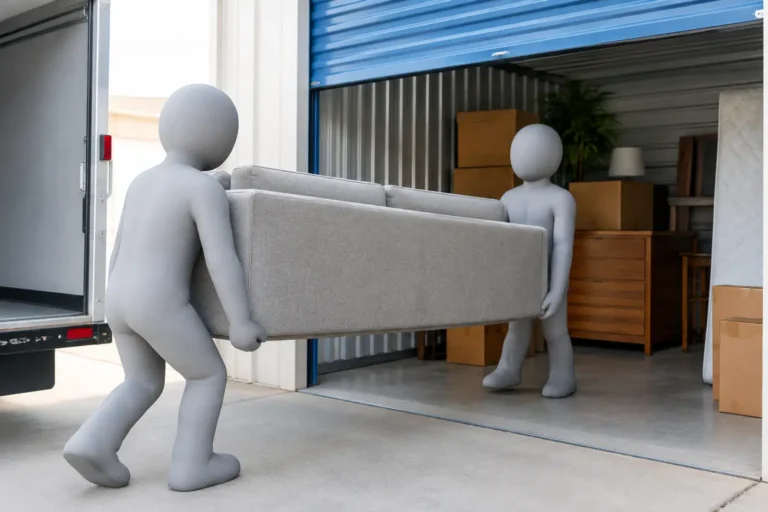
Moving day usually looks cheaper on paper than it feels in real life. That is why the full service movers vs diy question matters so much. What starts as a simple budget decision can quickly turn into a trade-off between cost, time, physical effort, and the risk of something going wrong when you can least afford delays.
If you are planning a local move, the right choice depends less on pride and more on the details. How much are you moving? How far? Who is helping? Do you have stairs, fragile furniture, a tight closing window, or a work schedule that leaves no room for surprises? A smart move is not always the cheapest option up front. It is the one that gets you from one place to the next with the fewest expensive problems.
Full service movers vs DIY: the real difference
A DIY move means you handle the planning, packing, truck rental, loading, driving, unloading, and often the cleanup after. You are also responsible for finding enough help, timing the day correctly, protecting your furniture, and dealing with anything that changes at the last minute.
Full-service movers take over the heavy lifting and, depending on the service level, the packing and logistics too. That does not just save time. It changes the entire moving experience. Instead of coordinating every detail yourself, you have trained professionals handling the parts of the move that usually create the most stress.
The biggest mistake people make is treating this as a simple price comparison. It is really a value comparison. If a DIY move saves money but costs you a full weekend, a back injury, scratched floors, broken furniture, and a late truck return fee, the savings can disappear fast.
When DIY moving makes sense
DIY can be the right call in the right situation. If you are moving from a studio or small one-bedroom apartment, have flexible timing, own mostly lightweight furniture, and have reliable help, doing it yourself may work well. The same is true if your move is short, your building access is easy, and you are comfortable driving a rental truck.
For some people, DIY also offers more control. You decide the pace, the packing order, and when the truck gets loaded. If you are highly organized and your schedule allows for a few hiccups, that flexibility can be useful.
But DIY only stays affordable when everything goes reasonably well. Once you add moving supplies, truck rental, fuel, mileage, insurance, equipment, food for helpers, and possible damage costs, the total can rise quickly. If your friends cancel, your couch does not fit the stairwell, or your rental window is tighter than expected, you are the one solving the problem.
When full-service movers are worth it
Full-service movers are often worth it when the move has complexity, urgency, or risk. That includes larger homes, family moves, office relocations, senior moves, heavy furniture, specialty items, or any move with stairs, elevators, long carry distances, or narrow hallways.
They are also worth serious consideration when your time has value. Taking off work, making multiple trips, and spending days packing and lifting is not free just because it does not show up as one invoice. A professional crew can often complete in hours what takes a DIY mover all day or all weekend.
There is also the issue of care. Trained, licensed, and insured movers know how to protect furniture, load a truck for stability, and move difficult items safely. That matters if you own large sectionals, antiques, pianos, glass tables, or anything that would be expensive or impossible to replace.
For many households, the best part is not physical. It is mental. Moving is already disruptive. Handing the logistics to a dependable crew gives you room to focus on your family, your work, your closing, or simply getting settled.
Cost: the number everyone sees first
DIY usually has the lower starting price. That is the main reason people choose it. But starting price and final cost are rarely the same thing.
A DIY move often includes truck rental, fuel, mileage, dollies, moving blankets, boxes, tape, mattress covers, and insurance options. Then there are indirect costs like time off, childcare, meals, parking issues, tolls, and potential damage to walls, floors, or furniture. If your move takes longer than expected, the meter keeps running in different ways.
Professional movers cost more upfront, but the price often includes labor, equipment, truck use, and a more predictable timeline. Reputable companies also provide clear estimates, explain what is included, and help you avoid expensive last-minute decisions. That predictability matters when you are balancing a lease end date, home closing, or business schedule.
The better question is not just, Which option is cheaper? It is, Which option gives me the best outcome for what I am spending?
Time, stress, and physical strain
This is where full service movers vs diy becomes very clear.
DIY moving asks a lot from your body and your schedule. Packing takes longer than most people expect. Loading safely is harder than it looks. Driving a truck through traffic or tight streets is stressful if you have never done it before. Then, after all of that, you still have to unload and start putting your home back together.
Professional movers reduce that strain. They arrive with a system, work efficiently, and know how to handle awkward furniture and tight spaces. For families with children, seniors, or busy workweeks, that can be the difference between a manageable move and a chaotic one.
If you are moving during a hot summer weekend, during bad weather, or on a tight deadline, physical effort becomes more than an inconvenience. It becomes a real risk. Saving money is less appealing when someone gets hurt or something important gets damaged.
Risk is the hidden factor
Most DIY plans assume normal conditions. But moves are full of variables. Elevator reservations get missed. Parking is limited. Boxes are packed too heavily. Sofas scrape door frames. Rain shows up. Helpers arrive late. A truck gets loaded poorly and items shift in transit.
When you hire professionals, you reduce those risks. Experienced crews know how to wrap furniture, protect entryways, use straps properly, and move quickly without rushing carelessly. A licensed and insured mover also offers an extra layer of protection that a favor from friends simply does not.
That does not mean every move needs full service. It means the more valuable your belongings, the tighter your schedule, or the more complex your layout, the more costly DIY mistakes become.
A practical way to decide
If your move is small, flexible, and low-risk, DIY may be the smart budget option. If your move involves heavy items, multiple rooms, fragile furniture, tight timing, stairs, or people who cannot do much lifting, hiring movers usually makes better financial and practical sense.
A hybrid option can work well too. You pack your own boxes and hire movers for loading, transport, and unloading. That gives you some cost control without taking on the hardest and riskiest parts of the move yourself.
For local moves in Connecticut, this is often the sweet spot. You stay involved where it makes sense, but you leave the truck, labor, and logistics to a professional team. Companies like Advantage Moving & Storage build their service around that kind of flexibility, which is valuable when every move has different needs.
The right move is the one that protects your time and peace of mind
There is no universal winner in full service movers vs diy. A small move with plenty of help may not need professional crews. A larger move, a family move, or a schedule-sensitive move usually does.
The real goal is not to prove you can do it all yourself. It is to get moved with less stress, fewer surprises, and no avoidable damage or injuries. Before you choose, look beyond the first price tag and think about what your move is actually asking from you. The best decision is usually the one that leaves you settled in your new place with your energy, budget, and peace of mind still intact.