A storage unit can look manageable until the sofa is halfway through the door, boxes are stacked behind it, and there is no safe path to reach the back wall. Professional storage loading help turns that frustrating moment into an organized plan. Whether you are between homes, renovating, downsizing, or clearing office space, the way your unit is loaded affects how well your belongings are protected and how easy they are to retrieve later.
Loading a storage unit is not simply about fitting the most items into the smallest space. It is about protecting furniture, preventing box damage, keeping essential items accessible, and using your paid storage space wisely. A trained moving crew brings the equipment, lifting experience, and practical judgment that make a real difference.
Why Storage Loading Help Is Worth It
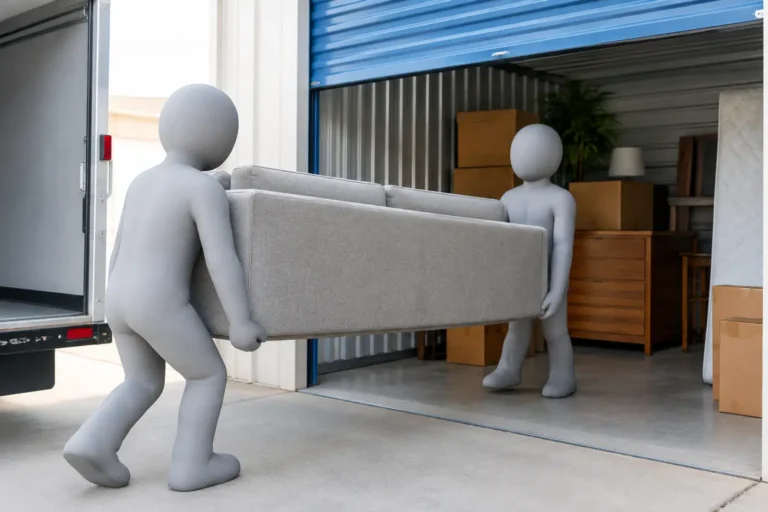
Storage units are compact, enclosed spaces with one narrow entrance. That makes them more difficult to load than a garage, basement, or moving truck. Large furniture has to be maneuvered through a doorway without damaging the item, the unit, or the person carrying it. Once inside, every piece needs a place that supports the load above and around it.
The biggest risk of a do-it-yourself load is usually not running out of room. It is creating an unstable stack. A dresser placed on its side without protection can suffer drawer damage. A mattress leaned incorrectly can bend or collect moisture. Heavy boxes placed on lighter cartons can crush the contents before you ever return for them.
Professional help is especially valuable for bulky or awkward items such as sectionals, appliances, solid wood furniture, filing cabinets, exercise equipment, and packed book boxes. These pieces require more than strength. They require coordinated lifting, proper moving equipment, and a clear loading sequence.
For Connecticut residents dealing with stairs, apartment hallways, older homes, or a quick move-out deadline, an experienced crew can also save hours of unnecessary work. Instead of making repeated trips and rearranging the unit after every large item, the team can build the load with a plan from the start.
The Right Way to Load a Storage Unit
A safe storage load begins before the first box enters the unit. The crew should assess the unit size, the furniture being stored, and whether you need access to certain items during storage. A unit packed for long-term storage looks different from one you will visit every few weeks.
Start With a Clear Inventory and Access Plan
Before loading, separate the items you may need soon. Seasonal clothing, business files, tools, documents, children’s belongings, or renovation supplies should not disappear behind a wall of furniture. If regular access matters, leave a narrow center or side aisle and place frequently needed items near the front.
For long-term storage, the priority may be maximizing protection and space rather than maintaining a walkway. Even then, labeling boxes clearly and keeping an inventory can prevent a future search through dozens of cartons.
Place Heavy Furniture Along the Walls
The back and side walls are usually the best location for sturdy, heavy items. Dressers, bookcases, appliances, tables, and disassembled bed frames create a stable base for the rest of the load. Furniture pads should be used between wood, metal, and upholstered pieces to reduce scuffs, pressure marks, and fabric snags.
Whenever possible, furniture should be disassembled before storage. Removing table legs, bed rails, mirrors, and detachable shelving reduces the chance of breakage and allows items to fit more efficiently. Hardware should be bagged, labeled, and secured to the corresponding piece rather than tossed into a box where it can be lost.
Build Upward Without Creating Pressure Points
A well-loaded unit uses vertical space, but not at the expense of safety. Strong, uniform boxes can be stacked with heavier cartons on the bottom and lighter cartons on top. Avoid mixing unstable shapes or placing loose items where they can shift.
One common mistake is using a sofa or mattress as a shelf for heavy boxes. Upholstered furniture can compress, frames can strain, and boxes may slide. Instead, use sturdy furniture and properly stacked cartons to support weight. Mattresses should be stored in protective covers and positioned to avoid bending or resting against sharp edges.
Protect Fragile and Sensitive Items
Mirrors, artwork, glass tabletops, televisions, and lamps need special handling. These items should be wrapped, padded, and positioned upright when appropriate, with no heavy objects pressing against them. Glass should never be left exposed along the outside edge of a stack where another item can strike it during loading or unloading.
Wood furniture, electronics, documents, and photographs can also be affected by humidity and temperature changes. Climate-controlled storage may be the better choice for valuable or sensitive belongings, particularly when storage will last through changing Connecticut seasons. It costs more than a standard unit, but it may be a worthwhile trade-off for items that are difficult or expensive to replace.
What Professional Movers Bring to the Job
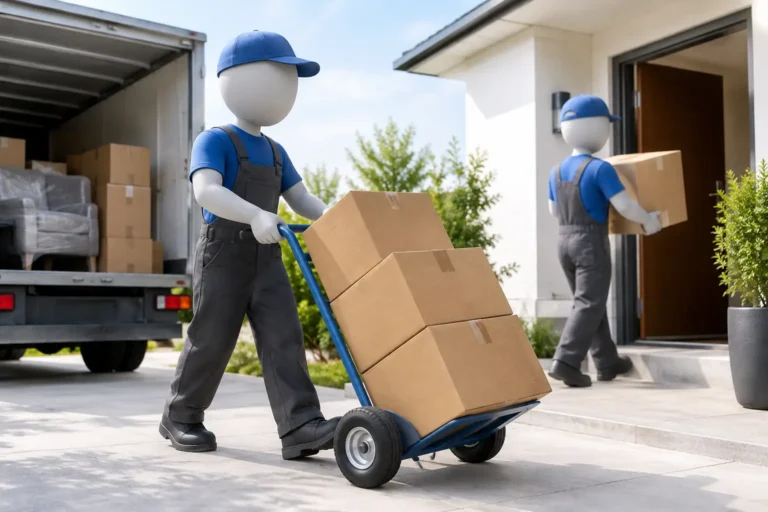
Storage loading is easier when the crew arrives with the right supplies and a defined process. Professional movers use furniture pads, shrink wrap, dollies, straps, hand trucks, and other equipment to move items safely and reduce unnecessary carrying. They also know how to maneuver large pieces through tight entrances without rushing or forcing them.
Just as important, trained movers understand load balance. They can recognize when a stack is too high, when an item needs additional support, or when it is smarter to adjust the layout before the unit becomes difficult to use. That experience helps prevent damage that may not be visible until months later.
There is also a safety benefit. Moving injuries often happen when someone tries to lift a heavy object from an awkward angle, twists while carrying a box, or loses footing in a narrow space. A uniformed crew works in coordination, communicates through each lift, and uses equipment designed for heavy loads.
At Advantage Moving & Storage, our licensed and insured movers can load or unload your storage unit as part of a larger move or as a focused service when you need extra hands. We provide straightforward scheduling, careful handling, and the kind of local support that helps customers move forward without adding another stressful task to the day.
When You Need More Than Loading Help
Sometimes the best solution is not simply packing the unit tighter. If your belongings no longer fit safely, moving to a larger unit may cost less than replacing damaged furniture or renting a second unit later. A crew can help you evaluate the practical limits of the space before the load becomes crowded or unstable.
You may also need packing support before storage loading begins. Loose items, poorly taped boxes, unprotected furniture, and unlabeled cartons create problems no matter how carefully the unit is arranged. Professional packing can be a smart option for fragile belongings, busy families, seniors, and businesses storing files or equipment.
Commercial storage has its own needs. Office furniture, inventory, equipment, and archived documents should be organized around future access and accountability. Leaving a clear route to labeled sections can save a business considerable time when a file, product, or replacement item is needed quickly.
Prepare Before Your Movers Arrive
You do not need to do everything yourself to make storage loading efficient. A few simple preparations help the crew work faster and help you stay in control of what is being stored. Make sure the storage unit is unlocked and the path from the truck or parking area is clear. Set aside items that are not going into storage, including essentials you will need that night.
If you have a preferred layout, mention it before loading starts. Tell the movers which boxes contain fragile items, which furniture has special value, and what you may need to access first. Clear communication gives the crew the information they need to protect your belongings properly.
Do not store hazardous materials, perishable food, wet items, or anything prohibited by the storage facility. Even a well-packed unit can develop odors, pests, or damage when unsuitable items are stored inside.
The goal is simple: when you open your unit weeks or months from now, your belongings should be secure, organized, and ready for the next step. With the right storage loading help, that future visit does not have to begin with a pile of boxes and a problem.