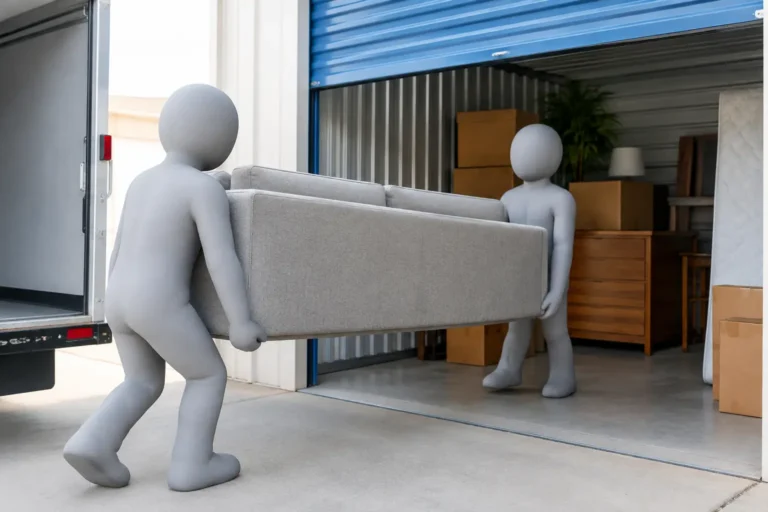
A sofa that will not clear a stair landing, a solid wood dresser packed with drawers, or a refrigerator that needs to cross a tile floor can turn moving day into a costly problem fast. This guide to moving heavy furniture will help you plan the job safely, protect your belongings and home, and recognize when professional help is the best value.
Moving a heavy item is not simply about strength. It is about balance, clear communication, the right equipment, and a route that has been measured before anyone starts lifting. One rushed decision can lead to a damaged wall, a scratched floor, or a serious injury.
Start by Measuring the Furniture and the Route
Before you move a single piece, measure its height, width, depth, and diagonal length. Then measure doorways, hallways, stairwells, elevator openings, and tight turns. Do not assume an item will fit because it made it into the room years ago. Renovations, new flooring, railings, and different moving angles can all change the path.
Pay close attention to the narrowest point on the route. A couch may fit through a doorway but get stuck at the turn into a hallway. A large dresser may clear a staircase only after its drawers, mirror, or legs are removed. If you are moving into or out of an apartment building, confirm elevator reservations, loading dock rules, parking access, and any required certificates of insurance before moving day.
Create a clear route from the room to the truck. Remove rugs that can slide, small tables, lamps, wall decor, pet bowls, and anything else that creates a tripping hazard. Open doors fully or remove them temporarily when necessary. Protect corners, door frames, and floors before the furniture begins moving, not after the first scrape appears.
Gather the Right Equipment Before Moving Heavy Furniture
The right tools reduce strain and help prevent damage. Household towels and good intentions are not enough for a large, awkward item. For most residential moves, these supplies make a meaningful difference:
- Furniture pads or moving blankets to protect wood, upholstery, walls, and door frames
- Stretch wrap to secure drawers, doors, cushions, and loose protective padding
- Furniture sliders for moving heavy pieces across hardwood, laminate, or carpet
- A hand truck or appliance dolly with straps for appliances, filing cabinets, and boxed items
- Lifting straps for distributing weight more evenly between two capable movers
- Basic tools for removing legs, mirrors, handles, or detachable components
Use equipment for its intended purpose. A hand truck is useful when the item can be strapped upright and controlled. It is not a substitute for a proper furniture dolly on a staircase. Likewise, sliders can protect a floor on one level, but they do not solve the problem of getting a heavy piece down a narrow flight of stairs.
Lighten and Prepare Each Piece First
Every pound you remove makes the item safer to control. Empty dressers, desks, bookcases, china cabinets, and entertainment centers completely. Even if drawers stay in place for transport, do not leave them full of clothing, books, or fragile items. Weight shifts unexpectedly, drawers can open, and the furniture frame may be put under stress.
Disassemble what you reasonably can. Remove table legs, headboards, mirrors, shelves, glass panels, and detachable couch legs. Place hardware in labeled bags and tape the bag to a protected part of the item or keep it in a clearly marked essentials box. Take a few photos before disassembly, especially for beds, office furniture, and modular shelving. Reassembly is much easier when you know where every bracket and bolt belongs.
Wrap finished wood, glass, leather, and upholstered surfaces with clean moving pads. Secure the pads with stretch wrap, but avoid placing tape directly on furniture. Adhesive can pull up finish, leave residue, or damage delicate upholstery. For glass tabletops and mirrors, use dedicated protection and keep them upright during transport whenever possible.
Use Safe Lifting Techniques and Clear Commands
Heavy furniture should be moved by at least two people who can communicate clearly and work at a similar pace. Before lifting, agree on the route, where you will stop if needed, and the commands you will use. Simple instructions such as “lift,” “stop,” “down,” and “turn” prevent confusion when hands are occupied and visibility is limited.
Lift with your legs, keep your back as straight as possible, and hold the item close to your body. Avoid twisting while carrying weight. If you need to turn, take small steps together instead of rotating your torso. Keep fingers away from the underside of furniture when setting it down. Many moving injuries happen in the final few inches, when a person tries to adjust a grip under a piece that is already descending.
Do not try to catch a falling item. Step back, warn your partner, and let it land if you lose control. Furniture can be repaired or replaced. A hand, foot, back, or shoulder injury is a much bigger cost.
Handle Stairs, Tight Corners, and Appliances Differently
Stairs are where a straightforward furniture move becomes high risk. The person walking backward down a staircase cannot see every step, while the person below may be supporting more weight than expected. If the item is bulky, top-heavy, slippery, or difficult to grip, professional movers are usually the safer choice.
For a couch or oversized chair, turning the piece on its end may create the clearance needed for a doorway or hallway. This works only when the item remains stable and both movers can maintain a secure grip. Never force furniture through a tight opening. Pressure can crack trim, damage the item’s frame, or cause a sudden shift in weight.
Appliances require their own preparation. Refrigerators should be emptied, defrosted, and dried before moving. Washing machines need their transport bolts when applicable, while hoses should be disconnected and drained. Keep appliances upright whenever possible. If a refrigerator must be tilted, follow manufacturer guidance and allow appropriate settling time before plugging it in at the new location.
Pianos, safes, large gun cabinets, commercial equipment, and extremely heavy antiques are not standard DIY moving projects. Their weight distribution and value demand specialized equipment, trained handling, and sufficient insurance coverage.
Load the Truck With Stability in Mind
How furniture is loaded matters as much as how it is carried. Load the heaviest items first and place them toward the front of the truck, closest to the cab. Keep weight low and balanced from side to side. Mattresses, padded furniture, and moving blankets can help fill gaps and protect finished surfaces, but they should not be used to hide an unstable load.
Secure large pieces with straps so they cannot shift when the truck brakes or turns. Avoid stacking heavy boxes on dressers, tables, or upholstered furniture. Keep glass, mirrors, and delicate pieces protected and upright. A truck that is packed tightly but without proper tie-downs can still move dangerously in transit.
At the new home, protect the entryway and floors before unloading. Place heavy pieces where they belong before reassembling them or filling drawers. Moving a loaded dresser across a room later is an easy way to damage new flooring or create an unnecessary lifting risk.
When Professional Movers Are the Smarter Choice
DIY moving can make sense for a small, single-level move with manageable furniture, enough capable helpers, and easy access. It becomes less practical when stairs, long carries, oversized items, fragile antiques, elevators, or time-sensitive schedules are involved. The savings disappear quickly if you rent the wrong equipment, damage a doorway, lose a day of work, or get hurt.
A licensed and insured moving crew brings trained teamwork, protective materials, moving equipment, and a process built around safe loading and unloading. For Connecticut homeowners, renters, seniors, and businesses, Advantage Moving & Storage provides careful local moving support with transparent pricing, no-deposit scheduling, and experienced crews who know how to manage difficult furniture safely.
The best moving plan is the one that gets every heavy piece into its new place without injury, damage, or last-minute surprises. Take the time to measure, prepare, and protect – then bring in trained help when the job calls for it.